Travel Guide: What is there to see and do in Cyprus?
Smigies Nature Trail in the Akamas Peninsula
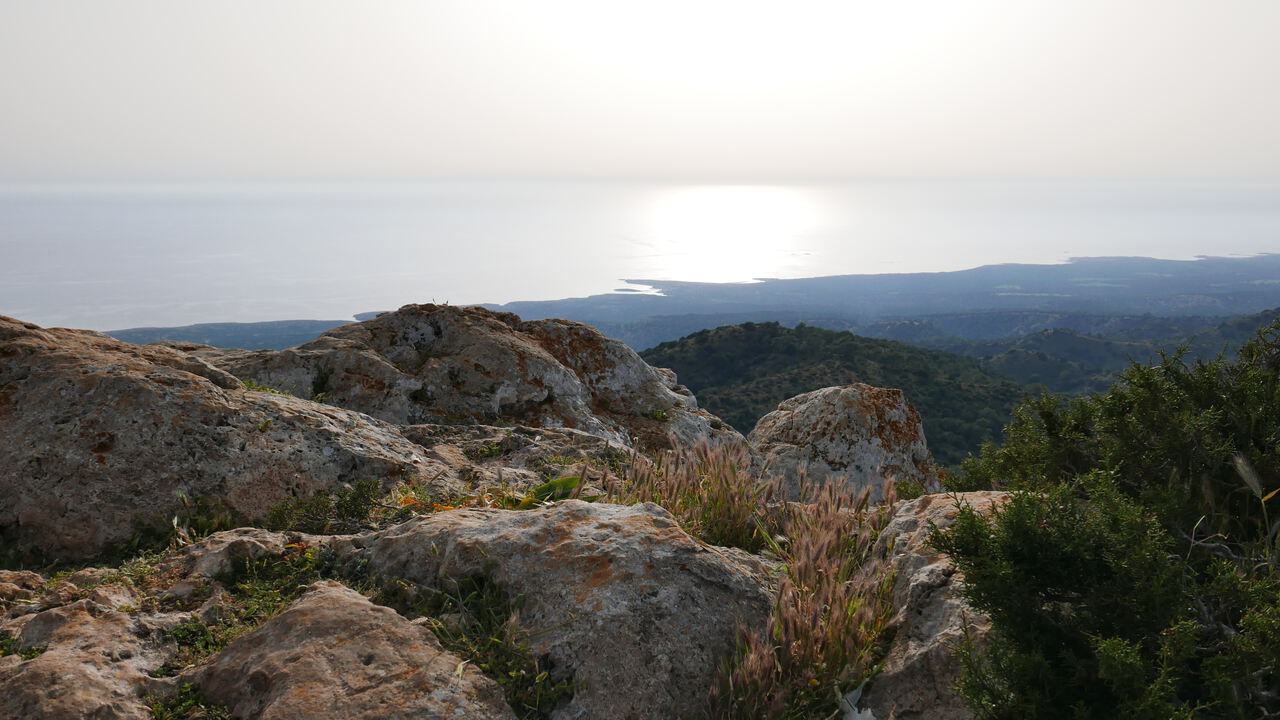
Cyprus’ wild, rugged landscape begs to be explored especially in the Spring when nature is in full bloom. Wild orchids poke out through the long grass and orange trees provide a gorgeous burst of colour.
Trekking the Smigies Nature Trail in the Akamas Peninsula in north-west Cyprus means walking amongst the carob trees towards a (natural) viewing platform overlooking Chrysochou Bay and Lara Bay, home of loggerhead and green turtles. There’s plenty of interesting wildlife to spot, from snakes and lizards to 14 species of eagle.
Rent a beach buggy and explore the coastline
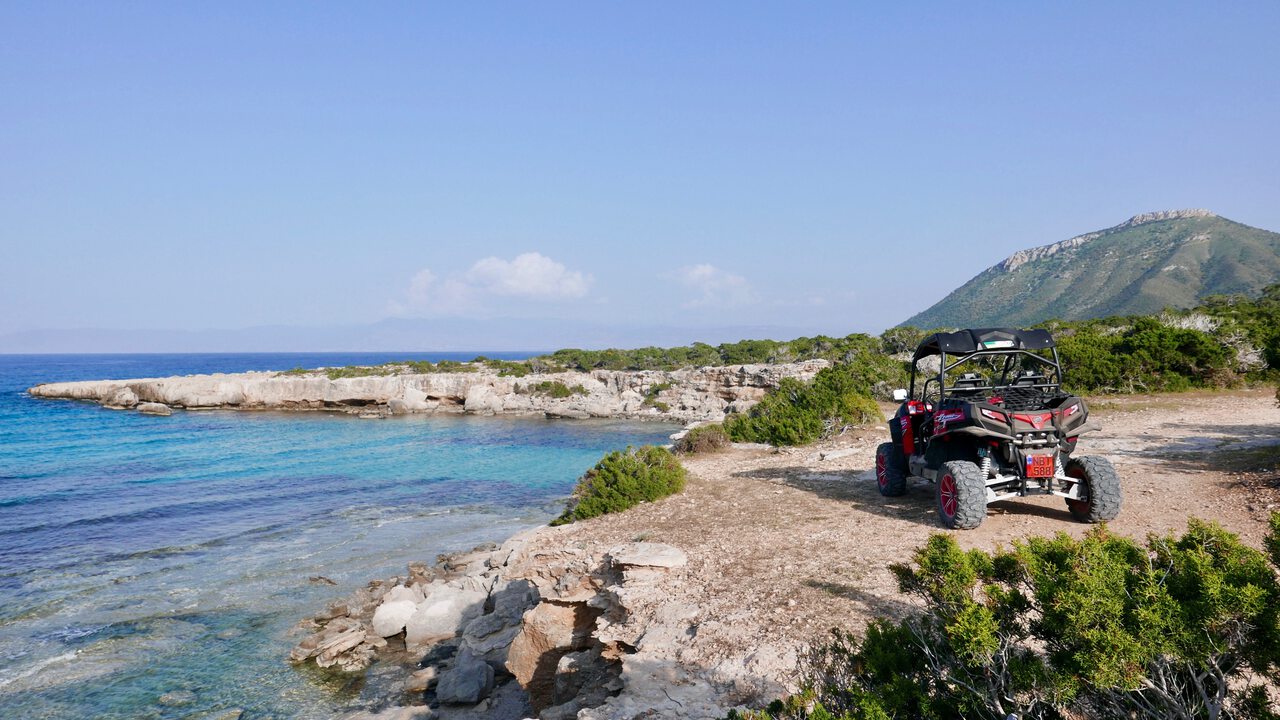
For an exhilarating way to explore the Akamas and see the spectacular views, rent a beach buggy with Petrides Rentals and go on an adventure along the coastline. These heavy-duty buggies for two or four passengers have huge wheels that can traverse even the most rugged paths, reaching parts of the coastline that few get to see.
Defined paths lead to the stunning blue lagoon and the crystal-clear fresh water pool, Fontana Amoroza.
Discover Cyprus’ underwater kingdom
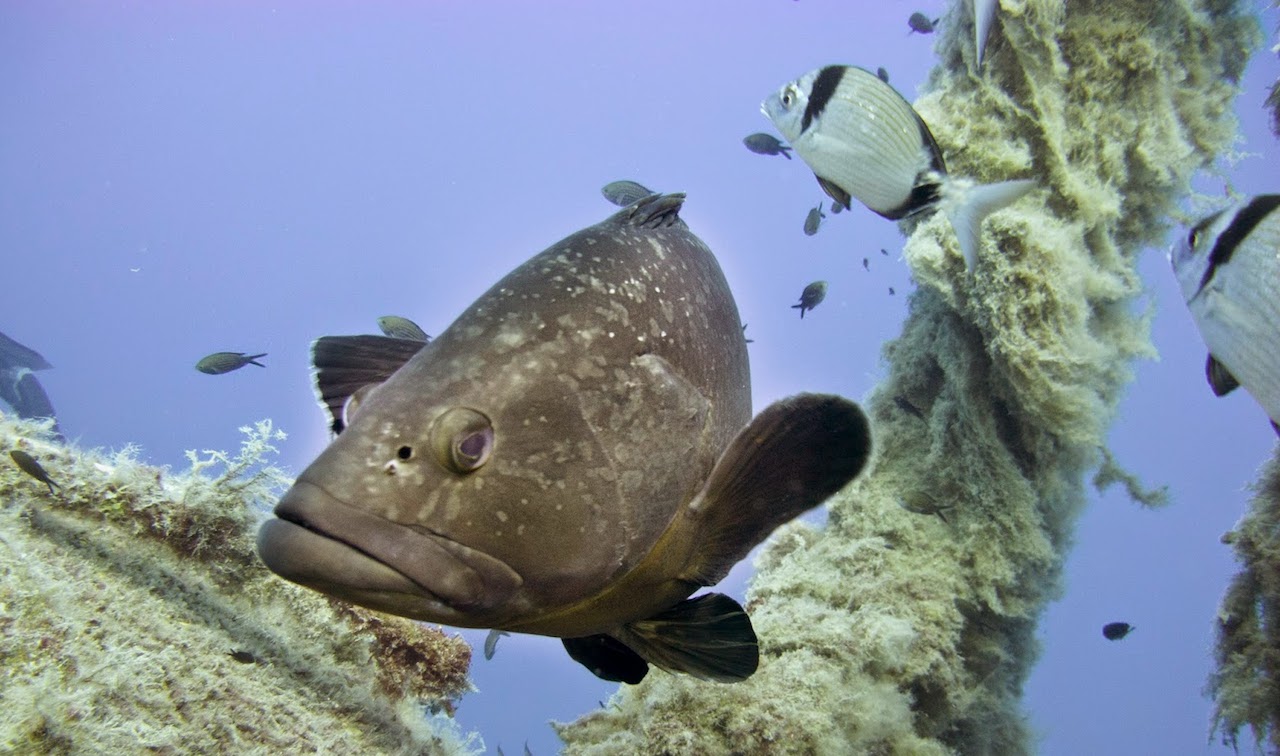
During the summer months, the crystal clear Mediterranean Sea feels like a warm bath providing perfect conditions for diving and snorkelling.
Experienced divers can explore a vast underwater kingdom with rich flora and fauna, as well as an interesting array of shipwrecks. The most famous of these is the sunken wreck of the Zenobia, a Swedish ferry that sank off the coast of Larnaca in 1980.
It is one of the three largest wrecks in the Med and doubles as an artificial reef. Other wrecks open to divers in Larnaca are the HMS Cricket, a British gunboat that sank in 1947 at a depth of 32m, and a dramatic sunken helicopter that sits beside a wreck of a barge called The Fraggle.
If you have never tried snorkelling or scuba diving before, you can book a lesson in the calm and shallow waters on the coast of Paphos. Dive Point located on the edge of the 5* St George Hotel offer lessons and guided underwater tours for all ages. Even when you’re just 30 metres from the beach, you can sometimes spot blue spotted rays, turtles and camera-shy squid.
Visit Kato Pafors archaeological park
One of the most prominent sites is the Kato Pafors archaeological park, a UNESCO World Heritage Site covering more than 2,000 years of history. Lavish mosaics adorn the floors of four Roman villas, depicting stories such as Theseus battling the Minotaur and Orpheus pacifying a menagerie of savage beasts. The Romans loved telling raunchy stories and the mosaics here are testament to that.
There’s also a partly-restored Roman Odean theatre, with its 11 tiers of seats overlooking the park. There are also some ancient remains of the Roman walls (or ramparts) that protected Kato Pafos during a time when it was one of the wealthiest cities in Roman Cyprus.
Explore Paphos by bicycle
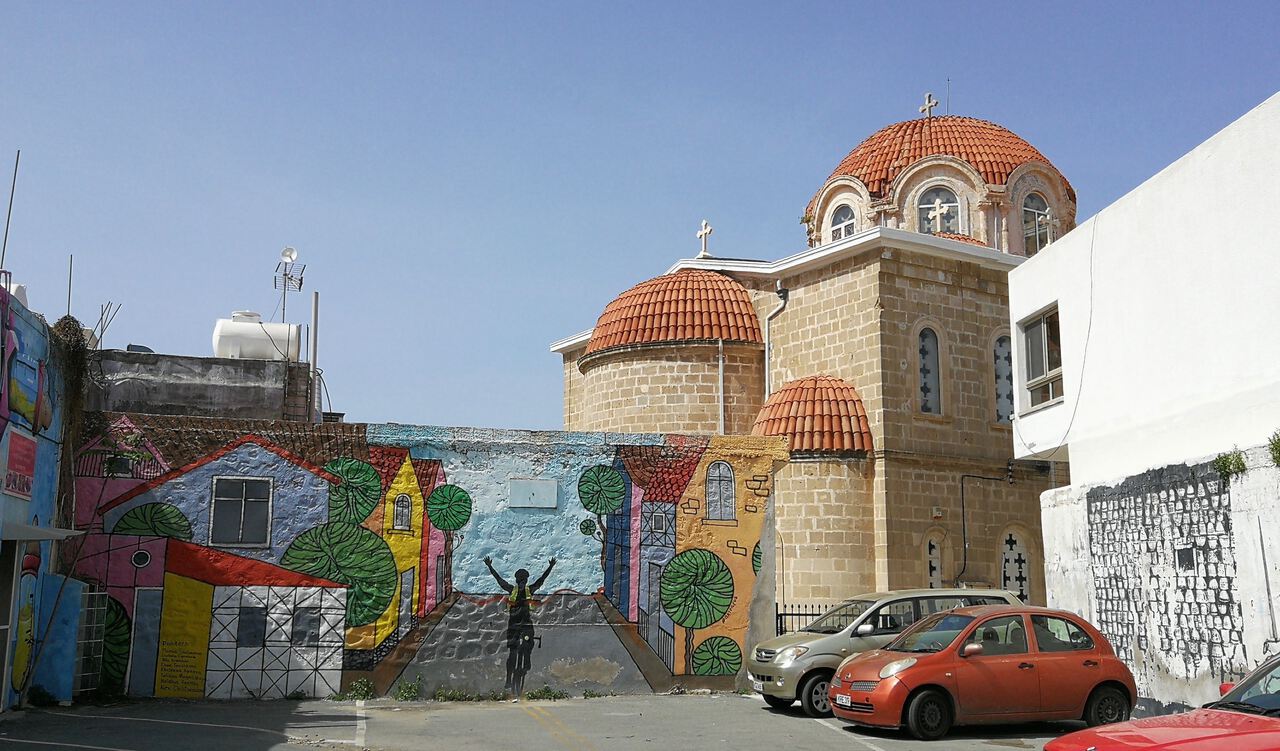
The centre of Paphos (or Pafos) held the title of European Capital of Culture in 2017, and served as the island’s capital during the Hellenistic period.
Bleach-white buildings dominate the urban landscape and churches from every period of history can be seen here, some of which are quite well hidden. That’s why exploring the narrow paved streets by bike is the best way to uncover some of its secrets. You will come upon the striking street art on many of the buildings close-up.
Kayak around the island of Yeronisos
Sea kayaking is a fantastic way to observe nature and explore some of the island’s most isolated coves. In just two hours you can kayak around the island of Yeronisos located just off the coast of Lara Bay 18km north of Paphos.
The tiny island is a protected area and is the home to an interesting array of birdlife, who use Yeronisos as a safe haven for nesting. Only archaeologists are allowed access onto the island itself in order to excavate remains from the late Hellenistic and Byzantine periods.
Make the most of the mountains
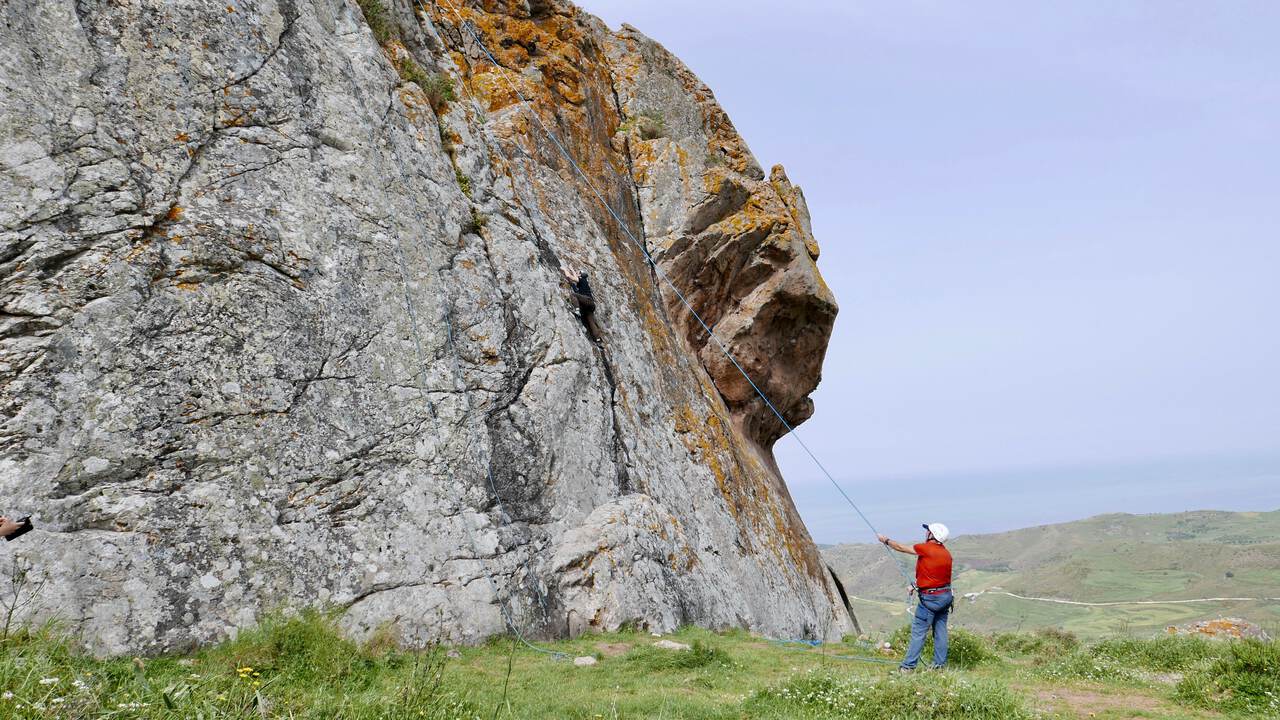
The naturally rocky landscape and its grippy limestone is a climber’s haven. If you’re new to rock climbing, book an individual or group course with Zephyros Adventure Sports in Paphos.
We spent a morning climbing three different routes on Gerako Petra (Hawk Rock), and it was both scary and exhilarating.
Tip: Rock climbing is best to try outside of the summer season, as you don’t want to turn into a fried egg while scaling a vertical cliff-face.
Party in Ayia Napa
For a heady escape there is not better place than Ayia Napa. The fishing port contains some of the most raucous bars on the island. Ayia Napa also has some fantastic beaches – the perfect place to recover from a night on the town.
Nissi Beach is a popular spot for sunbathers while Makronissos Beach offers plenty of watersports options. The award-winning amusement park, WaterWorld, has a range of swimming pools, water slides and rollercoasters.
Fun for all the family
Cyprus is a family-friendly destination and there’s plenty here to keep the kids entertained. If they’re too young to try scuba diving, take them on the Yellow Submarine in Ayia Napa, to observe sea-life in action through portholes. Kids can sit with the captain, watch a fish feeding session and swim through sea caves with the experienced crew members.
Cyprus also has several zoos and aquariums and the Mazotos Camel Park near Larnaca. Camels were once used to transport cargo across the island, and today the park offers camel rides, a petting zoo and a children’s playground.
If you want to treat the kids to a day at an amusement park (and have a break from the hot weather), Aphrodite Waterpark in Paphos has more than 30 rides, from waterslides to five-lane mat racing.
Feast on Cypriot cuisine
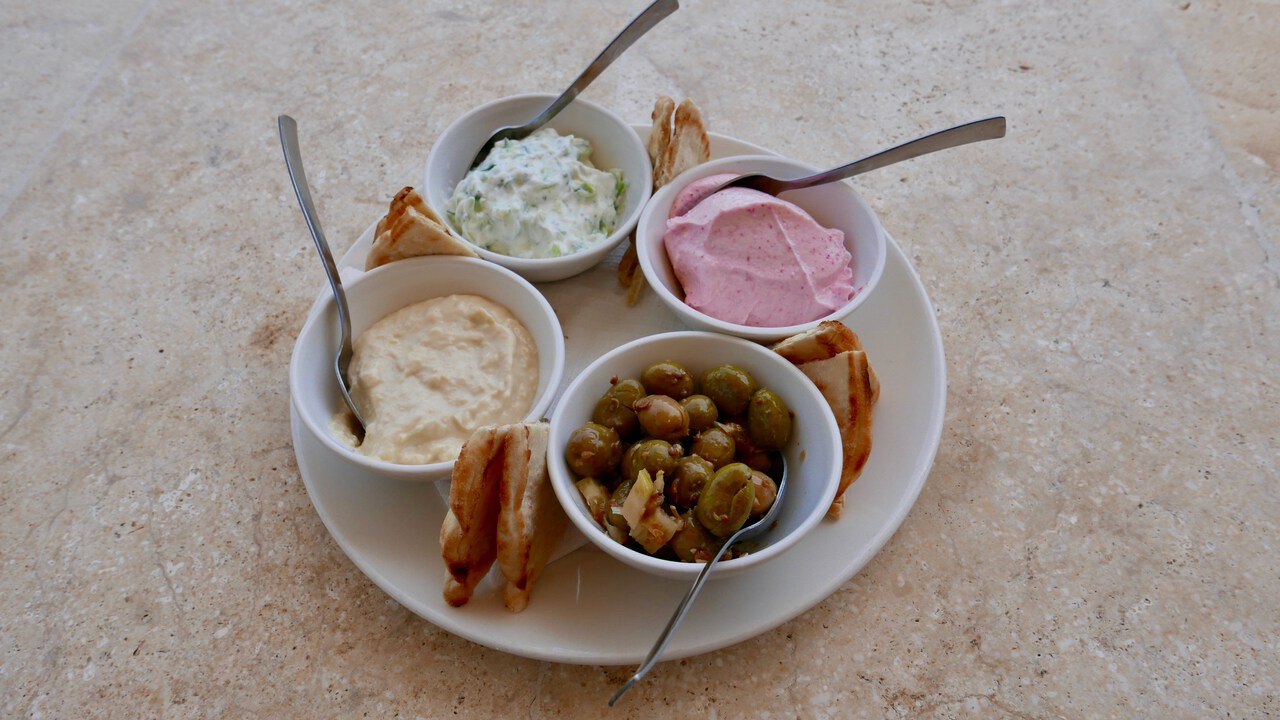
A classic Cypriot dinner starts with mixed mezze, with stuffed vine leaves, haloumi, Kefte (meatballs) warm pitta and a range of dips such as hummus and tzatziki – salted yogurt with cucmber and mint. Next is the fish course, with whitebait, juicy prawns, red mullet and other freshly caught fish.
Comments
Post a Comment